One Blessed Foster Mom: A Design Review
When a new embroidery design lands in my library, my first thought is always about its real-world potential. I’m not just looking at a graphic on a screen; I’m imagining it stitched out on fabric, held in a hoop, and eventually worn or used by someone. That’s the lens I’m using today for One Blessed Foster Mom. Let’s talk about how this design translates from a digital file into a tangible, heartfelt product.
The Immediate Feeling: Warm, Personal, and Purposeful
The phrase itself carries the weight. “One Blessed Foster Mom” isn’t a generic slogan—it’s a specific, meaningful declaration. The design’s personality leans into that warmth. It feels celebratory and personal, crafted for someone who deserves recognition. For embroidery, that’s a powerful starting point. A design with emotional resonance already has a built-in audience: foster moms themselves, their families, friends looking for a perfect gift, or organizations wanting to honor their volunteers.
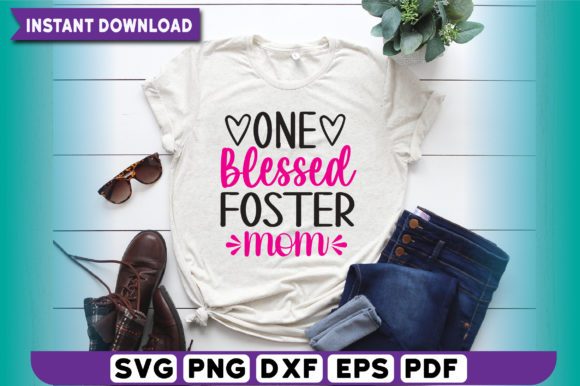
Visually, this suggests a layout that’s likely clean and legible, meant to be read and appreciated. In my mind, I’m picturing it stitched on a soft, heather gray sweatshirt—a cozy, everyday item that turns into a personal trophy. The mood it creates is one of gratitude and pride, which is exactly the kind of feeling you want a custom embroidered product to evoke.
Where This Design Naturally Belongs
Given its theme, certain applications shine brighter than others. My instinct is to steer this toward items that are either personal keepsakes or public acknowledgments.
Imagine a scenario: a local foster care support group wants to create a small batch of thank-you gifts for their dedicated moms. One Blessed Foster Mom embroidered onto a high-quality tote bag creates a functional, beautiful item that’s used daily and carries that message. It’s more than a bag; it’s a reminder of their impact.
- Custom Apparel: Sweatshirts, t-shirts, and hoodies are classic homes for this. It works for adults, but consider a simplified version on a kid’s shirt for a foster child to wear—a sweet “my mom” statement.
- Home & Gift Items: A kitchen apron or a pillow cover for a foster mom’s own home adds a personal touch. Embroidered on a tea towel or a blanket, it becomes a cherished household item.
- Boutique & Small Shop Products: For crafters selling online or at fairs, this design could anchor a line of “Celebrating Caregivers” products. A well-embroidered cap or a simple patch sold as a “make-your-own” kit has clear appeal.
- Baby & Nursery: While the description mentions uses for baby items, I’d be thoughtful here. Embroidered on the corner of a baby blanket or a delicate wall hanging for a nursery, it could be a beautiful gift for a foster mom welcoming a new child.
The Practical Embroidery Considerations
This is where the designer’s mindset kicks in. How will this file behave when the machine starts stitching?
First, the lettering. The clarity of the phrase is paramount. If the design uses script or any intricate font details, stitch density and size become critical. You don’t want tiny, dense satin stitches on a thin t-shirt that might pucker or distort the words “Blessed Foster Mom.” Testing on scrap fabric of your intended final material is non-negotiable. Check the thread contrast: a white satin stitch on a dark navy hoodie will pop, but a pale pink on a light gray might need a darker shade for readability.
For potential decorative accents—maybe hearts, stars, or simple borders mentioned in the description—consider their size. Small, detailed corners can be challenging on stretchy fabrics or curved surfaces like caps. A good stabilizer is your best friend here, especially for items like aprons or bags that might use a more textured canvas fabric.
Where to Exercise a Bit of Caution
Not every project is ideal. Here are my notes on careful application:
- Very Small Hoop Sizes: If you try to shrink this design down for a tiny item, the lettering might lose its integrity. It’s likely meant for a medium, readable scale.
- Highly Textured or Stretch Fabrics: Without proper stabilizer and stitch type adjustment, the message could look wavy on a stretchy knit or get lost in a thick, napped fabric.
- Products for Frequent Washing: For items like everyday kitchen towels or kids’ clothes, consider a robust fill stitch for the main text to ensure it withstands laundry cycles.
- Dark Fabric Backgrounds: Always run a test. Some designs with very fine lines might need a bolder stitch outline or a slightly larger size to remain clear on dark backgrounds.
How This Design Adds Value to Your Work
From a business and craft perspective, using a design like this isn’t just about the stitch-out; it’s about the final product’s impact.
Visual Appeal & Customer Trust: A clean, well-executed embroidery of this phrase on a quality product speaks volumes. It shows care and professionalism. For an Etsy seller or small shop owner, that builds trust. A customer buying a “One Blessed Foster Mom” tote isn’t just buying a bag; they’re buying a meaningful, well-made representation of an emotion. That enhances the product’s perceived value.
Giftability & Recognition: This design is inherently gift-ready. Its application on pillows, blankets, or apparel almost guarantees it will be received as a thoughtful present. For holiday gifts, Mother’s Day, or appreciation events, it’s a perfect fit.
Brand Consistency for Creative Entrepreneurs: If your shop focuses on heartfelt, personalized, or family-oriented products, this design aligns naturally. It can become part of a cohesive collection, strengthening your brand’s message.
Final Designer Notes Before You Hoop Up
Before you run this file for a client project or your own shop merchandise, do your practical homework.
- Always stitch a test sample on a scrap of your target fabric. Check for thread tension, density, and any small details that might need tweaking.
- View the design in black and white mockups or invert it to see how it might look on both light and dark backgrounds. This helps plan your thread palette.
- Confirm the licensing terms of the file. The description notes it’s an instant download cutting file, but clarify if your intended use—selling finished embroidered products or creating digital mockups for sale—is permitted under the license.
- While the design is noted as compatible with various software, ensure your machine embroidery software interprets the file correctly. Check the actual stitch types (satin, fill, running) in your software preview.
- Think about the end-user. If you’re making a product for a foster mom, consider the fabric’s comfort and the item’s usability. The design’s beauty is fully realized when the product itself is loved and used.
In essence, One Blessed Foster Mom is more than a graphic; it’s a prompt for a meaningful embroidery project. Its success hinges on pairing its emotional weight with your technical skill and thoughtful product choice. When those align, you create something that’s not just stitched, but felt.