Baseball Mom Life: A Designer's Take on a Modern Mom Graphic
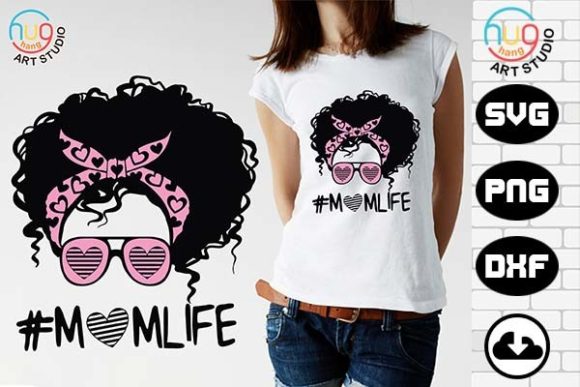
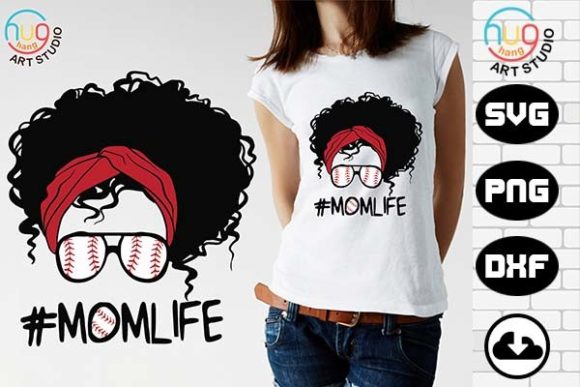
When I first opened the Baseball Mom Life, Messy Bun, Momlife design, I smiled. It wasn't just because it's relatable, but because its visual personality immediately clicked. You know the feeling—a design comes across your screen, and you can instantly picture it stitched onto a soft sweatshirt or a canvas tote. That’s the kind of first impression this graphic gives. It’s casual, confident, and a little playful, with that messy bun and sunglasses creating a vibe of ‘mom in motion.’ This isn't a formal, ornate piece; it's a modern snapshot of a very real life. As an embroidery designer, that matters. It tells me this design belongs on everyday items, things that are worn and used, not just displayed.
Where This Design Finds Its Home
In my studio, I think about application before I even load the file. For this one, the applications are wonderfully broad. I recently used it for a custom embroidered tote bag for a client who wanted a gift for her sister, a dedicated baseball mom. The graphic’s clean lines and bold shapes translated perfectly. The tote was a hit. But beyond that, I see this design thriving on a range of products. A cozy fleece blanket for a nursery, with the mom graphic adding a touch of personalized charm. A simple, well-made apron for a boutique kitchen shop. A durable patch, stitched onto a cap or backpack. Even on baby clothes, like a little zip-up hoodie, it becomes a sweet nod to mom.
For small business owners and Etsy sellers, this graphic is a solid asset. It has high giftability and recognition. Imagine it on a holiday gift—a personalized pillow cover for Mother’s Day, for instance. It feels handmade and thoughtful without being overly complicated. On a sweatshirt, it boosts the product's value visually; it looks professional and contemporary, which builds customer trust. In a printable mockup for your digital product listings, it presents clearly, helping buyers envision it on their own projects.
Performance in Real Embroidery Situations
Now, let’s talk about the stitch. The beauty of a graphic like this is its potential for clarity. The shapes are generally open, with defined areas like the sunglasses and hair ribbon. This means satin stitches or fill stitches can look crisp, provided you manage your stitch density well. On a standard cotton tee or a sturdy tote bag fabric, it should perform beautifully. I'd be confident using it for a commercial embroidery project on a batch of team mom sweatshirts, for example.
However, its success hinges on a few practical choices. The text elements, like "Mom Life," are integrated into the graphic. On smaller hoop sizes, you need to inspect those details. Embroidering this on a curved surface like a cap requires careful positioning so the design doesn’t get distorted. On dark fabric, thread color contrast is paramount—a bright, contrasting palette will make the sunny, lighthearted mood pop. On thin or stretchy fabric, like a lightweight tee, a good stabilizer is your best friend to prevent puckering and keep that messy bun looking tidy.
Spots Where a Designer Should Pause and Plan
Every design has its sweet spots and its challenges. With this one, the areas requiring attention are typical for graphics with combined illustration and text. The smaller details, like the lines of the hair clipart and the edges of the ribbon, need a clean stitch path. If you're working on a very textured fabric, like a cable-knit sweater, some of the finer lines might lose definition. Similarly, on a product destined for frequent washing, like a kitchen towel, consider reinforcing the stitch density slightly for durability.
Also, while the design feels expansive, it’s not overly dense. This is good for stitch time and fabric health, but on a very large garment, you might want to pair it with additional elements to fill the space appropriately. As a standalone piece, it’s perfect for a central focus on a shirt, bag, or pillow.
Notes From the Hoop: Practical Tips for Makers
Before you commit this to a final project, here’s my standard advice. Always test on scrap fabric first. Use the same material and color you plan for the final product. This tells you everything: how the thread colors look, whether the stitch density feels right, and if any small details need tweaking. Check it in both black and white mockups mentally—how would it look on a dark navy hoodie versus a light gray one?
Confirm your hoop size can accommodate the design comfortably, allowing all elements to stitch cleanly. And this is crucial for craft businesses and digital product sellers: confirm the licensing terms for this embroidery file. The product description lists the file formats—SVG, DXF, PNG—which are versatile for various software and machines. But always verify whether your use, especially selling finished items or commercial embroidery projects, is covered. It’s the foundation of professional and ethical operation.
When you stitch Baseball Mom Life, Messy Bun, Momlife, you’re not just running a machine. You’re creating a product with a story. It connects with a specific, vibrant slice of life. That connection is what turns a simple embroidered graphic into a cherished handmade product, a standout small shop merchandise item, or a perfectly personalized gift. It’s a design that, with thoughtful execution, delivers a smile—both in the making and in the wearing.