A Real-World Review of the "Single Mom Superwoman" Design
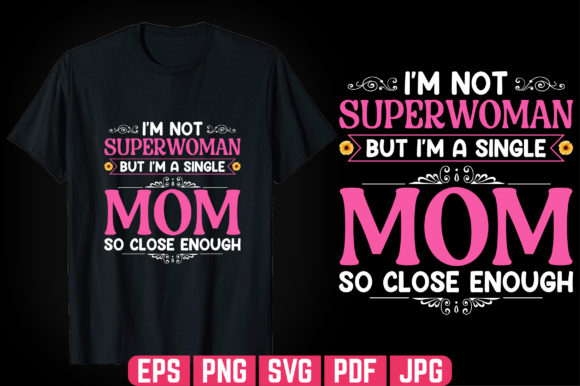
When you’re scrolling through designs for your next embroidery project, it’s easy to get lost in possibilities. But as a designer who stitches for clients and my own small shop, I need to know if a design will work in real life, not just look good on screen. I recently considered the I’m Not Superwoman but I’m a Single Mom so Close Enough design for a custom project, and my evaluation came down to a few key, practical questions.
First Impression: Humor, Heart, and Ready-to-Stitch Appeal
The moment I saw this design, I knew its personality. It’s confident, witty, and deeply relatable. That combination of humor and heart is exactly what makes a design feel like a personalized gift, not just a generic graphic. The layout feels balanced and the text is clear, which is crucial for embroidery. A cluttered phrase can become a muddy stitch-out, but this one has a natural flow that suggests it will translate well to fabric.
For me, this design immediately whispered “sweatshirt” or “tote bag.” It’s a statement you wear or carry, a quiet badge of honor. It doesn’t feel suited for tiny, delicate items. Its personality is bold enough for a centerpiece on a hoodie or a standout feature on a canvas bag for a craft fair product.
Where This Design Thrives in Practice
Let’s talk about application. The description mentions use on sweatshirts, jumpers, hoodies, and t-shirts, which is a solid starting point. I imagined a real scenario: a client ordering a custom embroidered sweatshirt as a gift for her sister, a single mom. This design is perfect for that. Its message is direct and empowering.
Beyond apparel, I considered other handmade product avenues. A simple, clean embroidered patch with this phrase could be amazing—something a mom could iron onto a backpack or a denim jacket. It would also stitch out beautifully on a pillow cover for a bedroom or a kitchen towel as a supportive, daily reminder. For small business merchandise, like items in a boutique celebrating motherhood, this design adds immediate value and a point of connection.
The claim of “high enough quality to be used every day” is significant. It hints at robust stitch density and clean file construction that can withstand wear and washing. That’s essential for custom apparel meant for real life, not just display.
Caution Zones: Where to Proceed with Care
No design is universally perfect, and a thoughtful maker needs to know its limits. The phrase length and likely detail mean you should avoid very small hoop sizes. Trying to cram this onto a baby’s tiny hat might compromise the clarity of the lettering.
Textured fabrics or very stretchy fabric could also pose a challenge. The message relies on readability, so a fabric with a lot of surface variation might distort those clean lines. Similarly, on very thin fabric, you’d need to be meticulous with your stabilizer choice to prevent puckering and maintain that “every day” durability.
Another consideration is dark fabric. While a light thread on dark background can look stunning, you must ensure the embroidery file is prepared for that contrast. Does it have clear underlay settings to prevent the fabric color from bleeding through the stitches? That’s something to test.
The Impact on Your Business and Your Client
Using a design like this isn’t just about stitching; it’s about the final product’s feel. For an Etsy seller or a creative entrepreneur, this design boosts customer trust. It shows you understand your audience and offer designs with emotional resonance. The finished embroidered project has high giftability and recognition—people see it and instantly understand its meaning.
It also supports brand consistency if your shop focuses on empowerment, motherhood, or humor-driven gifts. The handmade presentation becomes more professional because the design itself is sharp and purposeful.
Practical Designer Notes Before You Hoop
Before you run this machine embroidery design for a client order or your next craft business item, a few steps are non-negotiable.
- Test on scrap fabric first. Use the same material you intend for the final product. Check for stitch density issues and see how the small details, especially in the lettering, hold up.
- Check thread color contrast. Run a section in your chosen colors on both light and dark background scraps. Does it pop? Is it readable?
- Review the design in black and white. Sometimes a simple mockup helps you see the pure shapes and spacing without color distracting you.
- Confirm your hoop size. Make sure the design dimensions fit comfortably within your hoop to avoid unnecessary tension or distortion.
- Use proper stabilizer. Match the stabilizer to your fabric weight and type. This is the backbone of that “used every day” claim.
- Inspect the file for commercial use. The product is listed under Graphic Templates and Graphics. Before selling finished items or using it in commercial embroidery projects, you must confirm the licensing terms. Never assume.
Remember, the description provides a starting point, but the specifics—like exact file formats or stitch count—are details you should verify from the source before committing to a large project.
A Design That Speaks for the Maker and the Wearer
Ultimately, the I’m Not Superwoman but I’m a Single Mom so Close Enough design succeeds because it serves two people: you, the maker, and your customer. It gives you a reliable, quality digital embroidery file to create something with real meaning. And for the wearer or gift recipient, it transforms a simple sweatshirt embroidery or tote bag design into a personal statement. It’s not just a decoration; it’s a conversation. In the world of personalized gifts and small shop products, that’s the kind of value that turns a one-time customer into a loyal one.
So, if your next project calls for a blend of strength, humor, and everyday resilience, this design is a strong contender. Just approach it with the practical care that any experienced embroidery designer would—test, prepare, and stitch with confidence.