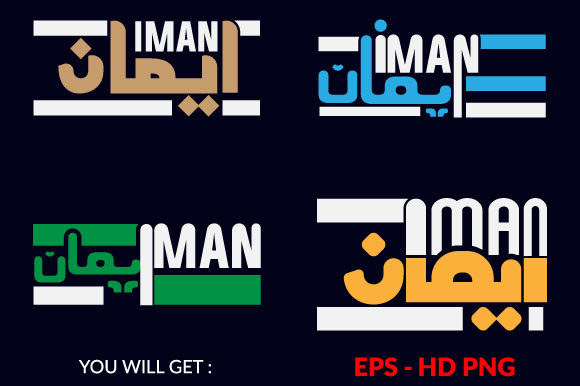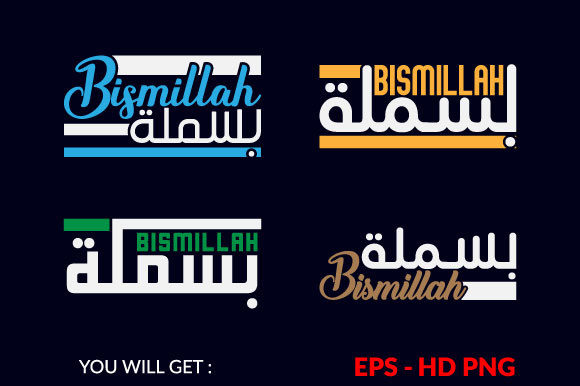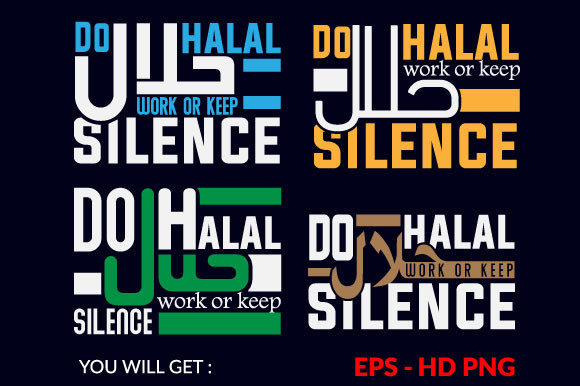
A Real-World Review of the Ramadan Text T-shirt Design
As someone who’s spent years embroidering everything from boutique apparel to personalized gifts, my first thought when evaluating a design is always, “How will this actually look when it’s stitched out?” When I look at the Ramadan Text Based T-shirt Design 8, I immediately sense its potential for heartfelt, celebratory projects. It’s not just a graphic; it’s a theme packaged for crafters who want to create something meaningful.
The Immediate Mood and Visual Personality
The design’s text-based nature suggests a clean, modern approach to holiday embroidery. It feels celebratory and respectful, with a layout that leans towards clear, readable typography. This isn’t a overly ornate, dense pattern—it’s likely built with shapes and text that will translate well into satin stitches and clean fill areas. The mood is distinctly festive and community-focused, perfect for projects that honor the Ramadan season. For embroidery, this means the visual personality is about clarity and message over intricate decoration, which is a huge practical advantage.
The Natural Habitat: Where This Design Belongs
I envision this embroidery file coming to life on a range of handmade products. Imagine a custom embroidered sweatshirt for a family gathering, or a simple, elegant tote bag for grocery runs during the month. It would shine as a centerpiece on a pillow cover for a welcoming home, or as a thoughtful addition to a kitchen towel for a host. For craft business owners and Etsy sellers, this design could anchor a whole line of Ramadan-themed merchandise: from adult apparel like t-shirts and caps to sweet, smaller applications like baby bibs or blankets.
Its nature as a likely vector-based graphic from the Print Templates category means it should scale well, making it adaptable for a petite patch on a child’s hat or a larger statement on an apron. The real-life scenario I’m picturing is preparing a set of custom embroidered tea towels as a holiday gift bundle. The text-based design would offer a professional, finished look that feels both handmade and sophisticated, increasing its giftability and perceived value.
Performance in the Stitching Reality
In practical embroidery situations, the success of a design like this hinges on its execution. For machine embroidery design applications, the key will be stitch density and detail clarity. On a standard cotton t-shirt or a canvas tote bag, with proper stabilizer, this should stitch out cleanly. The potential challenges—and this is crucial for professional results—often lie in the smaller details.
If the design contains very tiny lettering or intricate corners, these areas might need careful attention on textured fabrics like fleece or on stretchy fabrics like jersey knits. On dark fabric backgrounds, thread color contrast is paramount; a test run on scrap fabric is non-negotiable here. For curved surfaces like caps, the layout’s proportions need to work within the smaller hoop size without crowding.
This design affects customer trust and professionalism directly. A crisp, well-stitched version on a sweatshirt or bag signals quality and care. A blurred, puckered version, due to high stitch density on thin fabric or improper stabilization, undermines your brand instantly. For small shop products, that first impression is everything.
Where to Apply Extra Caution
My advice for using this design revolves around thoughtful application. Be cautious with:
- Very small hoop sizes if the design has any dense text areas.
- Textured or stretchy fabrics without rigorous stabilization tests.
- Layered garments like hoodies where the backing might be bulky.
- Products destined for frequent washing—ensure the stitch structure is robust enough.
- Using it as an embroidered patch on already dark or complex backgrounds without contrast planning.
The goal is to preserve that clean, legible appeal that makes the design so attractive in a digital preview.
Practical Notes for the Embroidery Designer
Before you commit this to a final project, here’s my checklist. These steps separate a hobbyist experiment from a sellable finished product.
- Always test on scrap fabric first, using the same material and weight as your final project.
- Check thread color contrast thoroughly. Run the design in a black-and-white mockup to see value relationships.
- Review the stitch output for overall density. Is it appropriate for your chosen fabric? Too dense can mean puckering; too light can look sparse.
- Inspect any small details or serifs in the text. Will they survive the stitching process clearly?
- Confirm the physical hoop size needed and whether your project base can accommodate it.
- Compare how it looks conceptually on both light and dark backgrounds—it might need two different color palettes.
- Use the proper stabilizer. This is the unsung hero of professional embroidery.
- Most importantly, check the licensing terms provided with the file. Confirm whether it’s cleared for both personal and commercial embroidery projects before you sell any handmade product or incorporate it into your brand consistency.
The Final Stitch: Value and Engagement
Ultimately, the Ramadan Text Based T-shirt Design 8 offers a solid foundation for creative entrepreneurs. Its strength is in its thematic clarity and likely scalable vector format. For embroidery designers and makers, it represents an efficient way to add a holiday-specific product to your lineup or create a personalized gift that carries significant meaning. The visual appeal comes from its message and clean execution, which in turn drives buyer engagement—people connect with clear, celebratory designs during cultural moments.
When stitched with care on the right product, it elevates a simple item into a keepsake. Whether you’re an apparel decorator preparing for a holiday market, a digital product seller offering decorated mockups, or a hobbyist making gifts for friends, this design’s real-world value lies in its adaptability and resonant theme. Approach it with a professional’s practical eye, test diligently, and it can become a reliable asset in your embroidery project repertoire.