Shar Pei Mom Design: A Practical Review for Crafters
First Glance: The Heart of a Dog Mom
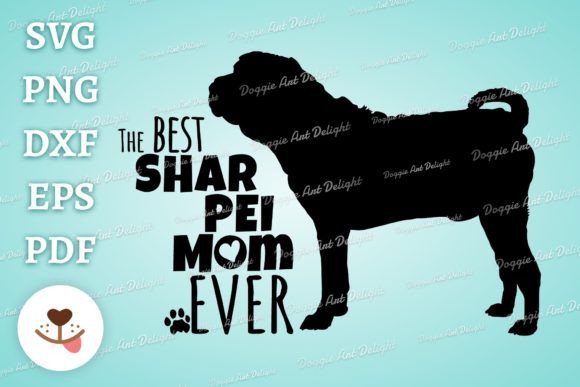
When you first open “The Best Shar Pei Mom Ever” from Doggie Art Delight Studio, the mood is instantly clear. It’s not just a graphic; it’s a personality piece. The combination of the sweet Shar Pei portrait with that affectionate text creates a design that feels both proud and tender. As a designer, my first thought is about its visual shape and layout. It’s a contained, balanced composition, meaning it won’t require an enormous hoop or overwhelm a smaller product like a cap or a baby bib. The detail level in the dog’s face suggests it’s meant for a moderate stitch density—enough to capture that wrinkled charm without becoming a swamp of thread that could puckering thin fabric. This isn’t a generic pet graphic; it has a specific, lovable personality that will resonate deeply with Shar Pei owners. It naturally belongs to projects meant as personalized gifts or heartfelt merchandise.
A Real Project Scenario: Embroidering a Custom Tote
Let’s walk through a real case. Imagine a client requests a custom tote bag for a friend who is, indeed, the ultimate Shar Pei mom. You pull up this design. The practical questions start: How will it look stitched? The bold, clean lines of the lettering promise good stitching clarity, especially in a satin stitch. The dog’s face, with its distinctive folds, will be the test piece. On a sturdy tote bag fabric, with proper stabilizer, those details should translate beautifully, adding texture and depth. The real value here is in the emotional recognition. When that friend sees the tote, she won’t just see a dog; she’ll see her dog, paired with a title she likely secretly holds. That moment of personal connection elevates a simple handmade product into a cherished item. For an Etsy seller or boutique, that translate directly into customer trust and engagement—they’re buying a story, not just a stitch.
Where This Design Shines in Your Business
The applications for this embroidery design are wonderfully broad. It’s perfect for custom apparel: think cozy sweatshirts or relaxed t-shirts for that dog mom. For baby items, if the mom is also a new parent, embroidering it on a blanket corner creates a beautiful, personal nursery decor piece. As a patch, it could adorn a cap or backpack. For home goods, consider it on a pillow cover or a kitchen towel—items that blend daily use with personal pride. For holiday gifts or wedding gifts for the pet-loving couple, it’s a standout. In a small shop setting, this design can anchor a whole line of Shar Pei-themed merchandise. It also works seamlessly for digital product sellers creating printable mockups or using it within other design assets. The key is its versatility within the realm of affectionate, pet-centric branding.
Careful Application: When and Where to Tread Lightly
While the design is adaptable, a practical review must note where to use it carefully. The small details in the dog’s face and the lettering mean very small hoop sizes might lose clarity. On textured fabrics like some sweaters, those details could get lost. On thin or stretchy fabric, the stitch density needed for the fill stitch areas could cause distortion without the right stabilizer strategy. Embroidering on dark fabric requires thoughtful thread color contrast planning—you might need to test a few palettes to ensure the design pops. On curved surfaces like caps, the overall layout should work, but pay extra attention to those detailed corners during the digitizing process. For products destined for frequent washing, like tea towels or baby clothes, ensure your stitch settings are robust to maintain integrity over time. The design’s handmade presentation depends on these technical considerations.
The Impact on Your Craft and Customer
Using a well-crafted design like this affects every part of your project. Visually, it offers a professional, complete look that enhances product value. Stitching clarity is paramount; a clean result from this file makes the customer perceive quality. For brand consistency if you run a pet-themed shop, this design adds a specific, high-affection piece to your catalogue. Its giftability is high—it feels personal without requiring custom artwork from you. For commercial embroidery projects, it serves as a reliable, appealing asset. However, it’s crucial to confirm the licensing terms provided by Doggie Art Delight Studio before selling finished items or digital products. Does it cover personal and commercial use? That check is a non-negotiable step for any serious maker or business owner.
Practical Notes From the Embroidery Hoop
Before you load this machine embroidery design into your software, here are my grounded, friendly notes. Always, always test it on scrap fabric first. Use the same fabric and stabilizer you plan for the final project. This tells you about real stitch density, how the satin stitch borders behave, and whether any tiny lettering areas need adjustment. Check thread color contrast by running a test in both light and dark fabric backgrounds—sometimes a mid-tone thread works best on both. Review the design in black and white mockups to see the pure form without color influencing you. Confirm the hoop size you’ll need; the design’s balanced composition suggests a moderate hoop, but you must verify this against your machine’s capabilities. Finally, inspect the small details in the file itself. How are the corners of the text? Are the dog’s features defined as separate elements that could be stitched as applique or fill? Your preparation ensures the finished product lives up to the lovely promise of “The Best Shar Pei Mom Ever.”
In the end, this graphics product from the Crafts category isn’t just a cut file. It’s a well-conceived design asset that, with thoughtful application, can become a standout element on an embroidered patch, a heartwarming gift on a personalized tote bag, or a bestselling item in your craft business. Its strength is in its specific affection, and your skill as a maker will translate that into thread.