Mama Retro: An Embroidery Designer's Hands-On Review
When a new design lands on my screen, my first question is always: how will it stitch out? I'm not just looking at pixels; I'm picturing thread, fabric, and the reaction of a customer holding the finished piece. Today, I'm thinking through the Mama Retro T-shirt Design, evaluating its potential for real embroidery work from my perspective as a designer who creates for clients and my own small shop.
The First Impression: Nostalgia with a Friendly Curve
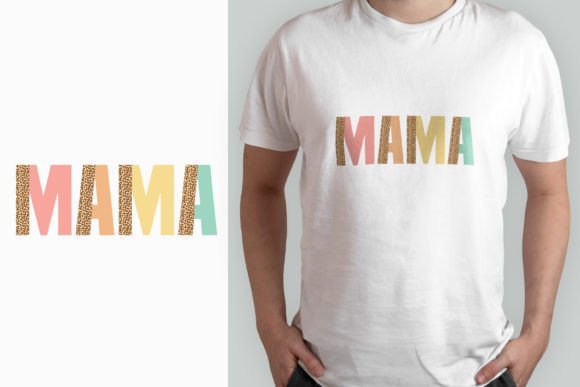
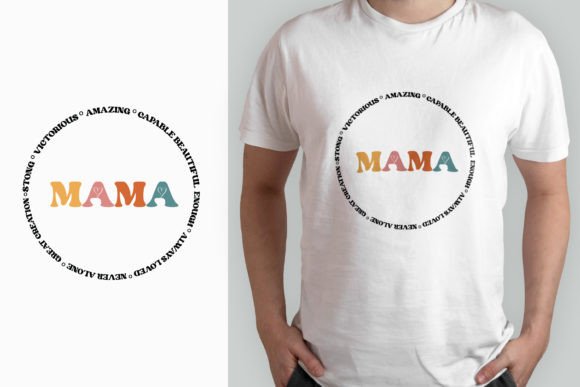
Opening the Mama Retro T-shirt Design, the mood is immediately clear. It evokes a warm, nostalgic vibe—the kind that feels handmade and personal. The layout isn't overly aggressive; it has a gentle, approachable personality. The shapes and potential details suggest it wouldn't be a minimalist, sparse design, but rather one with enough visual weight to stand proudly on a garment. This isn't a design that shouts; it feels like it would converse softly with the viewer. I picture it naturally belonging to projects meant to convey comfort, care, and a touch of vintage charm.
My mind goes straight to a specific real-life scenario: preparing a custom embroidered tote bag for a boutique client who wants a line of "mom-themed" gifts. Would this design stitch out with the clarity and warmth needed to make that tote feel special, not generic? The initial visual personality suggests yes—it seems built for products that tell a small story.
Where Mama Retro Finds Its Home
In practical embroidery situations, this design's character opens up a wide range of applications. For custom apparel, it would be a lovely focal point on the chest of a sweatshirt or the back of a denim jacket. Its thematic feel makes it a strong candidate for baby clothes, like a little onesie or bib, or for cozy blankets and nursery decor. I can easily see it transformed into an embroidered patch for a backpack or stitched onto a kitchen towel or apron for a personalized gift.
For small business owners and Etsy sellers, this is a design that could anchor a product line. It has strong giftability, making it perfect for holiday gifts, wedding presents for new mothers, or general mother's day merchandise. On a pillow cover or tea towel, it would elevate a simple item into a boutique product. As a digital file, it also provides value for creating printable mockups and digital product previews to attract buyers before the physical stitch-out.
The Commercial Craft: Enhancing Value and Trust
Using a design like this in a craft business affects more than just aesthetics. When stitched well, it enhances the perceived value of the finished product. A clean, well-executed embroidery job on a design with this kind of thematic strength builds customer trust. It shows attention to detail and a thoughtful selection of design assets. The handmade presentation feels intentional, not accidental. For brand consistency, if your shop leans towards nostalgic, familial, or heartfelt themes, this design could become a recognizable part of your visual language, improving buyer engagement.
Points for Careful Consideration Before Hooping
No design is perfect for every context, and a professional review must highlight where to proceed with caution. Based on its apparent detail level and layout, I would be thoughtful about using the Mama Retro T-shirt Design on very small hoop sizes. If there are intricate corners or tiny lettering elements, they might lose clarity on a small cap or a baby sock.
Textured fabrics or very thin fabric could pose challenges, as the design may require a decent stitch density to look full. On stretchy fabric, proper stabilizer choice is paramount to prevent distortion. Embroidering on dark fabric would necessitate a thorough review of thread color contrast—some elements might need a lighter palette to pop. Curved surfaces like caps require testing to ensure the design's proportions adapt well to the shape without awkward gaps or compression.
If the design has dense stitch areas or complex decorative accents, products destined for frequent washing, like everyday t-shirts, need a robust stitch construction to endure. Always consider the base garment; a delicate design might feel out of place on a rugged, layered work shirt.
Practical Notes from the Embroidery Machine
Before committing this design to a client's order or a batch of shop merchandise, my process involves several checks. First, always test the design on scrap fabric first. Use the same material you plan for the final product. This reveals everything: how the fill stitch or satin stitch areas behave, whether running stitch details are crisp, and how the overall stitch density interacts with your chosen fabric texture.
Check thread color contrast thoroughly. Run a test in both light and dark backgrounds if possible. Inspect small details in the stitch-out; sometimes a digital preview hides complexities that emerge only with thread. Confirm your hoop size is appropriate—don't force a large-design feel into a tiny space. Using proper stabilizer is non-negotiable for professional results.
Since this product description mentions it's great for various formats including SVG and PNG, and falls under T-Shirt Designs and Graphics, it's crucial to understand its intended use. Test it in black and white mockups to see if the composition holds without color. Most importantly, check whether the design works for both personal and commercial projects. The description does not specify license terms, so you must confirm licensing before selling finished items or digital products. Never assume; clarify the rights you are granted with purchase.
The Final Stitch: A Design with Heart and Potential
Evaluating the Mama Retro T-shirt Design for real project use leaves me optimistic. Its retro, friendly theme is a versatile starting point for many embroidery projects aimed at a heartfelt market. For the embroidery designer or creative entrepreneur, it represents a digital embroidery file that, when applied with practical wisdom, can become a beloved element on a personalized gift, a standout item in your Etsy listings, or a consistent seller at a craft fair. Its success, as always, hinges not just on the digital art, but on the careful, skilled translation of that art into thread and fabric—the true craft of our profession.