Feelin Jolly: A Retro Boho Christmas Gem for Embroidery Projects
Whenever a holiday season rolls in, my studio gets flooded with requests for custom festive pieces—embroidered gifts, boutique apparel, and personalized decor. That’s when a designer’s eye starts scanning digital collections, looking for files that aren’t just cute, but are genuinely craft-friendly. Today, I’m putting the spotlight on the Feelin Jolly Svg, Retro Boho Christmas design. Let’s walk through how this graphic holds up when translated from a screen into real threads and fabric, from a hobbyist’s hoop to a commercial embroidery project.
The First Impression: A Warm, Wry Holiday Mood
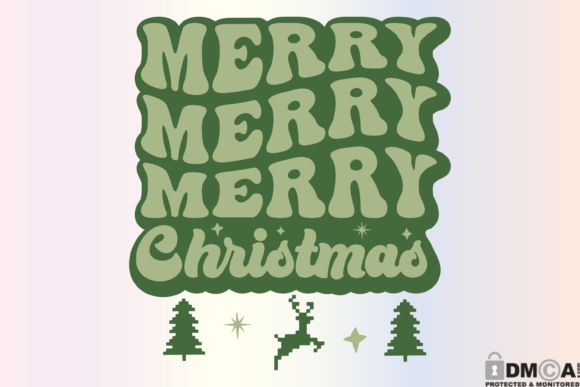
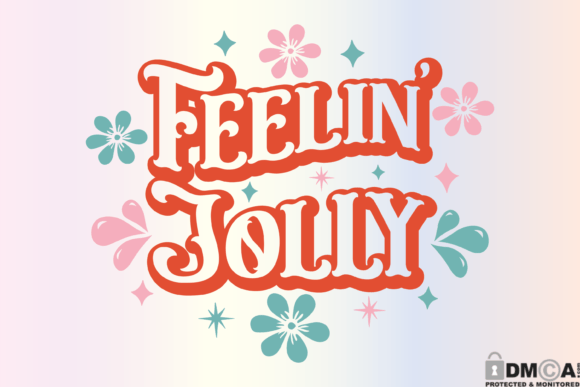
Opening this file, you’re greeted by that distinct retro boho personality. It’s not the typical slick, modern Christmas motif. Instead, it feels nostalgic and slightly whimsical, with a dash of playful humor implied by the “Feelin Jolly” phrase. The layout and shapes tend to lean towards organic, slightly imperfect curves—a style that, in my experience, often stitches out beautifully because it avoids overly sharp, mechanical corners that can be tricky on certain fabrics. This design immediately suggests projects meant to evoke warmth, a bit of cheeky fun, and that handmade, cozy aesthetic customers love during the holidays.
Where This Design Naturally Belongs in Your Project Queue
Picture a client order for a custom embroidered tote bag—something unique for a mom or a festive gift for a friend. The Feelin Jolly Svg, Retro Boho Christmas design isn’t just a graphic; it’s a project starting point. Its visual personality makes it a perfect candidate for standout items like:
- Boutique holiday sweatshirts or t-shirts, where the retro vibe adds value beyond a generic logo.
- Embroidered kitchen towels or apron sets, where the theme matches the cozy, homey setting.
- Baby clothes or nursery decor items, where the softer boho style feels gentle and sweet.
- Patches or pillow covers for a handmade holiday collection in your small shop.
- Tote bags and caps as personalized gifts, where the “Feelin Jolly” text becomes a conversation starter.
The design’s balance of text and decorative elements means it can be the centerpiece of a product, not just a tiny accent. When I think about stitching this onto a sweatshirt, I imagine the satin stitch fill for the letters and the potential for a mix of fill stitches in the decorative elements creating a rich, tactile result that elevates a simple garment.
Navigating the Practical Stitching Landscape
Moving from “looks good on screen” to “stitches beautifully on fabric” is the core of any embroidery designer’s review. Here’s where I assess the Feelin Jolly design for real-life application.
Strengths for Various Embroidery Applications
The design’s composition, with its likely open areas and distinct shapes, promises good stitching clarity. On stable fabrics like cotton tote bags or pillow covers, it should perform reliably, allowing clean edges on letters and decorative parts. For custom apparel like t-shirts, the retro, slightly spread-out layout can help manage stitch density, which is crucial for preventing puckering on stretchy fabrics if you use proper stabilizer. The mood it creates—funny, festive, boho—directly boosts the visual appeal and perceived value of the finished product. A customer seeing this on a handmade item feels the personality, which builds engagement and trust in your craft.
Points for Careful Consideration
As with any design, there are spots to approach with a practical eye. The “Feelin Jolly” text, depending on its final size and the tiny details within the boho elements, requires attention on:
- Small hoop sizes: If you’re planning a mini version for a baby bib or a cap’s curved surface, test the small lettering and intricate corners first on scrap fabric to ensure clarity.
- Textured or dark fabrics: That playful mood relies on visual contrast. On dark fabrics, thread color choice becomes paramount. On highly textured fabrics like some blankets, the finer details might need slight adjustment.
- Products needing frequent washing: For items like kitchen towels or everyday sweatshirts, consider using robust stitch types and quality thread to maintain the design’s integrity over time.
These aren’t flaws; they’re the standard checks a professional runs to ensure a design transitions smoothly from a digital file to a durable, beautiful embroidered product.
The Impact on Your Craft Business or Creative Endeavor
Whether you’re an Etsy seller, a small business owner doing custom embroidery, or a hobbyist making gifts, the choice of an embroidery file affects more than just the stitchout. Using a design like Feelin Jolly Svg, Retro Boho Christmas brings a cohesive, branded feel to your holiday lineup. It supports brand consistency if your shop leans towards a retro, handmade aesthetic. Its giftability is high—it feels personal and specific. For commercial embroidery projects or selling finished items, the design’s unique character can help your products stand out in a crowded craft fair or online marketplace.
A Designer’s Handy Notes Before You Hoop It
Before I commit any design to a client’s order or my shop inventory, I follow a simple ritual. For this retro boho Christmas file, I’d advise:
- Always run a test on scrap fabric that matches your final product material. This reveals how the stitch density behaves and how small details translate.
- Check thread color contrast against both light and dark fabric backgrounds. Create simple black and white mockups to assess the layout’s strength without color.
- Confirm the hoop size needed for your intended product. Does it fit the area on a tote bag, or does it need scaling for a cap?
- Inspect the design’s small decorative accents. Are they distinct enough for clean embroidery, or might they blend if the stitch type isn’t chosen carefully?
- Use proper stabilizer for the fabric type, especially for stretchy apparel or textured surfaces.
- Most critically, confirm the licensing terms provided with the digital file. Understand whether it’s cleared for personal projects, commercial use, or selling finished embroidered items. This is a fundamental step for any designer or seller to operate with professionalism and peace of mind.
The Final Real-World Scenario
Let’s say I’m preparing a limited-run holiday collection for my small shop. I choose to embroider the Feelin Jolly Svg, Retro Boho Christmas design onto a set of organic cotton pillow covers. The test stitchout on similar fabric shows the boho elements filling nicely, the text sitting cleanly. The overall effect is exactly what I envisioned—a product that feels nostalgic, handmade, and joyfully festive. It’s not just an embroidery file; it’s a successful component of a finished product that resonates with buyers looking for something beyond the mass-produced holiday item. That’s the practical value of a well-considered design: it works not only in the hoop but in the marketplace and in the hands of a happy customer.