Evaluating Retro Cheer Mom for Real Embroidery Projects
When you’re staring at a digital design file on your screen, the real question isn't just if it's cute—it's whether it will translate beautifully into stitches. As someone who stitches for clients and my own small shop, I look at designs like the Retro Cheer Mom SVG Cut File PNG with a practical eye: how will it perform on fabric, and what will that finished product actually feel like in a customer’s hands? Let's walk through that judgment.
The Immediate Charm and Where It Belongs
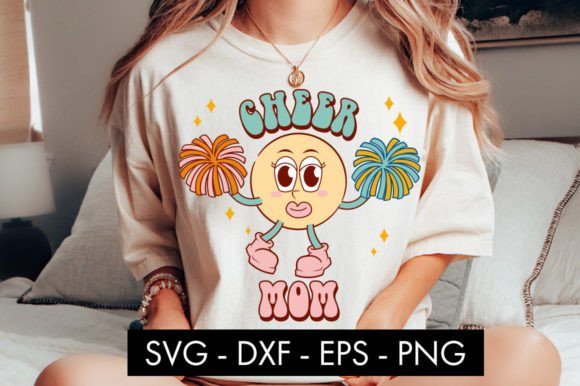
The first thing you notice is the mood. This design has a playful, nostalgic personality. It’s not a modern, sleek graphic; it’s warm and welcoming. That cartoon style with its soft curves and cheerful theme creates an instant emotional hook. This isn't a design for corporate branding; it's for personal connection. My mind immediately goes to gifts—a custom embroidered tote bag for a cheer team mom, a cozy sweatshirt for a proud parent, or a sweet little patch on a baby’s blanket. It belongs on products meant to celebrate a role, a relationship, a personal milestone.
The layout and detail level are promising for embroidery. The shapes are generally clear and defined, which is crucial for translating a digital graphic into a clean stitch outline. You’re not looking at microscopic details that would vanish in satin stitch. This visual personality suggests it would work wonderfully as a central, standalone motif on a simple background fabric.
Performance in Real-Life Embroidery Situations
Imagine you’ve loaded the file and you’re preparing a custom sweatshirt order. The real test begins. On a medium-weight cotton sweatshirt, with proper stabilizer, this design should stitch out with good clarity. The cheer mom lettering, depending on its final scaled size, will be the key area to watch. Small lettering in embroidery can become dense and stiff if the stitch density is too high, or blurry if it's too loose. This is where you'd absolutely run a test on scrap fabric first.
For a tote bag, which often has a more textured canvas fabric, the design’s bold, cartoon elements would hold up well, offering a nice pop of personality. On baby clothes or delicate items like a pillow cover, you’d want to consider a lighter fill stitch or even an applique approach to keep the fabric soft and flexible. The retro theme lends itself perfectly to kitchen towels or aprons as a fun, personalized gift—think holiday gifts or boutique product lines for small shops.
Where You Need to Be Careful
Not every project is ideal. On very small hoop sizes, some of the charm might be lost as details compress. Stretchy fabrics, like thin t-shirts, require extra stabilization to prevent distortion of those rounded shapes. Dark fabric backgrounds demand thoughtful thread color choice; a test in a black and white mockup on your software can help preview contrast.
One of the trickiest applications is curved surfaces like caps. The design’s layout needs to be scaled and positioned carefully to fit the cap’s front panel without elements being cut off or looking distorted. Similarly, if you’re considering it for a dense, layered garment like a quilted blanket, stitch density becomes a major factor for comfort and durability. Always inspect the small details in your embroidery software before committing to the hoop.
Impact on Visual Appeal and Customer Trust
When this design stitches out cleanly, it boosts the perceived value of your handmade product immensely. That cute cartoon style becomes tangible, textured, and professional. For an Etsy seller or craft fair vendor, a well-executed embroidery of Retro Cheer Mom on a high-quality sweatshirt speaks to craftsmanship. It builds customer trust because the finish looks intentional and skilled.
It enhances giftability. A personalized gift embroidered with this design feels thoughtful and specific, not generic. It also aids in recognition—the retro style is distinctive, helping your products stand out in a crowded marketplace. For a creative entrepreneur building a brand around nostalgic, family-focused items, this design could be a consistent, engaging asset across product lines.
Practical Notes for the Working Designer
Before you stitch for a client or your shop, here’s my checklist. First, always test on scrap fabric that matches your final project fabric. This reveals how thread colors interact with the material and checks the actual stitch density. Confirm your hoop size can accommodate the design at the scale you want without forcing excessive detail compression.
Use the proper stabilizer for your fabric type—this is non-negotiable for clarity. Check whether the design file works smoothly in your machine embroidery software; the provided formats suggest broad compatibility, but a quick import check is wise. Crucially, confirm the licensing terms before selling finished items or digital products. While the product description mentions formats for cutting machines, its use as a source for an embroidery design or applique design requires you to verify the license allows for commercial embroidery projects.
Finally, think about the product lifecycle. Will this embroidered tote bag or baby item need frequent washing? A robust stitch construction and quality threads will ensure the design’s appeal lasts, protecting your reputation as a maker.
The Final Stitch: A Design with Heart and Potential
The Retro Cheer Mom SVG Cut File PNG is more than a cute graphic. It’s a design asset with emotional resonance that, with careful embroidery execution, can become a standout on a range of personalized products. It fits naturally into the world of crafts and graphics aimed at celebration and personal connection. For the embroidery designer, small business owner, or hobbyist looking to create something with genuine charm, it offers a solid foundation. Your job is to bring that digital file into the tactile world with the same care and confidence the design’s cheerful theme inspires. That’s where the real project success lies.