Crazy Cat Mom: An Embroidery Designer's Hands-On Review
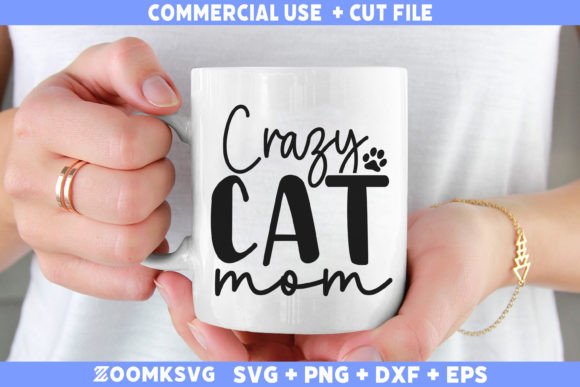
Every week, I sift through dozens of embroidery files looking for designs that translate beautifully from screen to stitch. I'm not just hunting for cute graphics; I’m evaluating how a digital design will perform on real fabric, for real clients, and in real products. Today, I’m thinking about the “Crazy Cat Mom” SVG design, a popular title, and how it actually holds up for the crafters, makers, and small business owners I advise.
First Impression: A Playful Design with Practical Potential
The mood here is immediately clear: it’s fun, affectionate, and a little bit cheeky. For an embroidery designer, that’s valuable. A design with personality doesn’t just decorate an item; it creates a connection. The theme is a universal one, which means you’re looking at a design with wide appeal—from a heartfelt personalized gift to a commercial product for a niche audience. The layout likely balances text and imagery, which is a good start. The key question is: does that playful personality survive the translation into thread?
The Natural Habitat for This Design
Let’s picture a specific scenario. I’m preparing a custom embroidered tote bag for a client’s birthday gift. She’s a proud cat owner, and I want the gift to feel special and handmade. A design like “Crazy Cat Mom” fits perfectly. It’s not overly formal; it’s conversational and warm. It would belong naturally on casual apparel like sweatshirts and t-shirts, on home goods like pillow covers and tea towels, and on personal accessories like bags and caps. It feels like a design for everyday joy, not for a formal occasion.
Performance in Real-Life Embroidery Situations
When I consider using this for machine embroidery, I think through the stitch. The clarity of the lettering, especially the potentially playful font style, is paramount. On a dark fabric sweatshirt, will the fill stitches in the text be dense enough to pop without puckering? On a baby blanket or nursery decor item, would the design scale down nicely for a smaller, softer application?
For commercial embroidery projects—say, a series of patches for a small shop’s merchandise—the consistency of the design across multiple runs matters. Does it have overly intricate corners or tiny details that might fray or blur after fifty stitches? For a craft business owner selling embroidered aprons or kitchen towels at a fair, the design needs to stitch cleanly and quickly to be profitable. The visual appeal post-stitching directly impacts product value and customer trust. A crisp, well-executed embroidery file makes a handmade presentation look professional.
Where This Design Requires Extra Care
No design is universally perfect, and a professional review means pointing out where attention is needed. For “Crazy Cat Mom,” I’d be cautious on very small hoop sizes. Shrinking a design with text can compress lettering, making satin stitches or fill stitches muddled. Similarly, textured fabrics like some tote bag materials or stretchy fabrics like t-shirts demand proper stabilizer and perhaps a review of stitch density to prevent distortion.
Embroidering on curved surfaces like caps requires checking the design’s layout—does it have elements that would warp awkwardly over the curve? Also, if the design incorporates decorative accents around the text, those small details need inspection. On products destined for frequent washing, like baby clothes or kitchen linens, the integrity of any small, dense stitch areas is crucial for longevity.
The Impact on Your Project and Your Business
Using a well-suited design elevates everything. For the maker, it means a satisfying embroidery project with fewer headaches. For the customer or gift recipient, it increases recognition and engagement—they see a clear, charming message that resonates. For an Etsy seller or digital product seller offering this as part of a design assets bundle, it strengthens brand consistency if it aligns with your other playful, pet-themed graphics.
Its giftability is high, but its commercial viability hinges on execution. A messy stitch on a dark fabric background can undermine professionalism. Conversely, a clean embroidery on a light-colored pillow cover can look boutique-ready. It’s all about translating that digital promise into a physical finished product.
Practical Notes from the Hoop
Before I ever load a file for a client project, I run my own tests. My advice for anyone using this “Crazy Cat Mom” SVG for embroidery is this: always test the design on scrap fabric first. Use the same material you intend for the final product—a canvas tote scrap, a piece of sweatshirt fleece. Check thread color contrast. Does a bright pink thread on a grey fabric make the text sing, or does it fade?
Review the implied stitch density in your software preview. Are there large blocks that might require a lot of thread and time? Confirm your intended hoop size can accommodate the design without forcing extreme scaling. Inspect the small details; zoom in on your preview. Does the “mom” lettering, or any cat silhouette elements, have corners that might stitch poorly?
I also test designs in black and white mockups to see how they hold up without color, and I compare how they look on light and dark fabric backgrounds digitally. This isn’t just about aesthetics; it’s about stitch planning. Use proper stabilizer for your specific fabric—this is non-negotiable for quality.
Finally, a critical step for anyone in the craft business: check the licensing. The product description states it can be used for a wide variety of items, but before selling finished items or commercial embroidery projects, confirm the terms. Does “Crazy Cat Mom SVG” allow for commercial use of the embroidered product? Don’t assume; verify.
A Design That Earns Its Place in Your Work
In the end, an embroidery file is a tool. The “Crazy Cat Mom” design, from a Crafts and Graphics category, seems like a tool with a specific and useful purpose. It creates a mood, fits a recognizable niche, and has the potential to stitch into products that people love and buy. Its success depends entirely on the care you take as the designer or maker applying it.
Approach it with a practical, realistic mindset. Plan for its strengths—its playful personality and broad application potential. Account for its demands—attention to scaling, fabric choice, and detail integrity. When you do that, you transform a digital graphic into a tangible piece of handmade warmth, a custom apparel item that gets a smile, or a small shop product that builds your brand. That’s the real test of any design, and it’s the one I apply every time I sit down at my machine.