A Practical Review of the Mum Life SVG Design
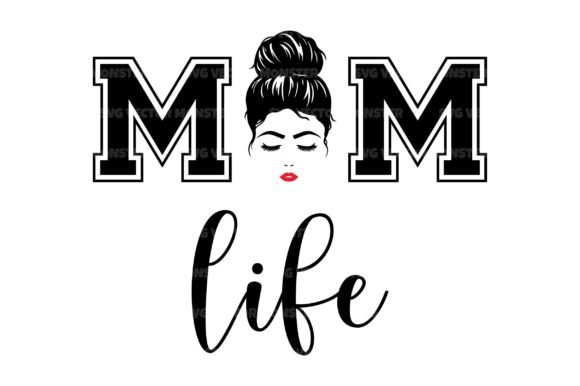
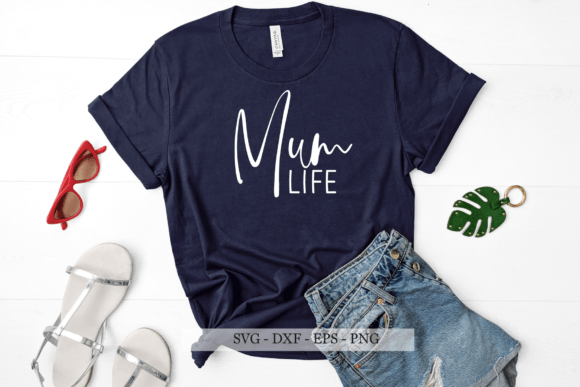
Whenever a new design lands on my screen, I approach it not just as a graphic, but as the potential heart of a finished product. My first question is always: how will this look when it’s stitched? Today, I’m looking at the Mum Life SVG design, along with its variations Mom SVG and Mom Life SVG, from that exact perspective. This isn’t a digital asset review; it’s an embroidery project review.
The Immediate Mood and Where It Belongs
The first impression of the Mum Life SVG design is one of clean, friendly celebration. The layout feels balanced, and the personality is warm without being overly sentimental. This isn’t a fussy, intricate piece—it’s a statement. That makes it a natural fit for projects where the message itself is the star: custom apparel, tote bags, and home decor items meant as gifts or everyday keepsakes. I immediately pictured it on the front of a cozy sweatshirt or the pocket of a canvas apron. It has that “ready-to-stitch” vibe.
From Digital File to Embroidered Reality
Let’s get practical. I imagined a real-life scenario: preparing a custom embroidered tote bag for a client’s Mother’s Day boutique. The Mum Life SVG design, scaled to fit a medium hoop, would translate beautifully. The shapes are typically well-defined in these types of files, which means satin stitches for lettering and fill stitches for any decorative elements would lay down cleanly. The mood it creates is key here—it feels modern and proud, which is exactly what you want for a giftable, handmade product.
This design performs solidly across a range of real-life embroidery situations. For custom apparel like t-shirts and sweatshirts, it offers strong visual appeal without being too dense, which is crucial for comfort on stretchy fabrics. As a focal point on a pillow cover or tea towel, it becomes a lovely piece of home decor. For small business merchandise, say in an Etsy shop focusing on mom-themed gifts, it provides a recognizable, professional-looking asset that can build brand consistency across products.
Where This Design Should Be Used With Care
No design is perfect for every single project, and a thoughtful embroidery designer knows where to apply caution. With the Mum Life SVG design, the primary considerations come from scale and fabric.
On very small hoop sizes, any tiny lettering or intricate corners could become challenging, losing clarity. Embroidering onto textured fabrics like thick knit sweaters might require extra stabilizer to keep those clean lines. Dark fabric backgrounds demand careful thread color contrast planning—a test on scrap fabric is non-negotiable here.
I’d also be mindful using it on curved surfaces like caps; the layout needs to be adjusted so it doesn’t feel distorted. And for products destined for frequent washing, like baby clothes or kitchen towels, checking the stitch density is important. Too dense, and it becomes stiff; too sparse, and it might not hold up. This design, given its likely structure, should navigate these issues well if the stitch settings are tuned correctly.
How This SVG Affects Your Finished Product
The transition from a digital file to a physical stitched item is where value is built. Using a clear, well-constructed design like the Mum Life SVG directly impacts stitching clarity. That clarity, in turn, boosts customer trust and the overall handmade presentation. When someone receives a tote bag with this embroidery, they see a professional finish, not a hobby project. That enhances giftability and buyer engagement for small shop owners.
For creative entrepreneurs selling finished products, this kind of design supports a professional aesthetic. It’s recognizable and emotive, which helps products stand out at craft fairs or in online printable mockups. It feels like a complete thought, not just a phrase slapped onto a garment.
Practical Notes for Embroidery Designers and Makers
Before you load this file and start stitching for a client or your shop, here’s my standard protocol. These notes are born from years of turning graphics like the Mum Life SVG into successful embroidery projects.
- Test First, Always. Run the design on scrap fabric of the same type you’ll use for the final product. Check thread color contrast against both light and dark backgrounds.
- Inspect the Small Details. Zoom in on the digital file. Look for any areas that might become problematic when stitched at your intended size—tight corners, very thin lines.
- Consider the Hoop. Confirm your hoop size can accommodate the design comfortably without forcing awkward scaling.
- Stabilizer is Your Friend. Especially for stretchy or thin fabrics, the right stabilizer will make all the difference in preserving the design’s integrity.
- Think in Black and White. Create simple mockups to see how the design reads purely as shape and form. This helps assess its visual strength beyond color.
- Verify the License. The product description mentions it's for creating your own items. Before selling any finished embroidered items or commercial embroidery projects using this design, you must confirm the licensing terms. Never assume.
The Natural Fit for Craft Businesses
For apparel decorators, Etsy sellers, and boutique owners, this design slot into a productive niche. It’s versatile. It could be the centerpiece of a holiday gift collection—think embroidered holiday gifts like personalized pillow covers. It works beautifully for baby embroidery on a keepsake blanket or nursery decor item, provided the fabric is suitable. As an embroidered patch, it could be applied to bags or hats, adding a handmade touch to ready-made items.
The key is to match the design’s personality with the product’s purpose. The Mum Life SVG design carries a universal, celebratory tone. That makes it a reliable asset for craft businesses looking to offer products with broad appeal. It’s not overly niche; it’s warmly familiar, which is often exactly what customers are seeking in a personalized gift.
In conclusion, reviewing the Mum Life SVG design from an embroidery standpoint leaves me optimistic. It has the foundational qualities—clean layout, balanced mood, straightforward shapes—that translate well into satin stitch and fill stitch realms. It’s a design that seems to understand it will become physical, that it will be judged not on a screen but on fabric. For designers and makers looking to create valued handmade products, that’s the most important quality a digital embroidery file can have. My final thought, as I envision it stitched onto a cozy sweatshirt, is that it would look exactly as intended: a proud, clean, and heartfelt statement.