A Designer's Review of the Happy Pawlidays SVG
When a digital design like the Happy Pawlidays SVG lands on my screen, my first thought isn't just about the file itself. It's about the potential stitch. I immediately picture how this cheerful, holiday-themed dog graphic will translate from a flat vector into a textured, dimensional embroidery piece. That transition is where the real value for crafters and business owners lies.
The First Impression: A Holiday Mood That Stitches Well
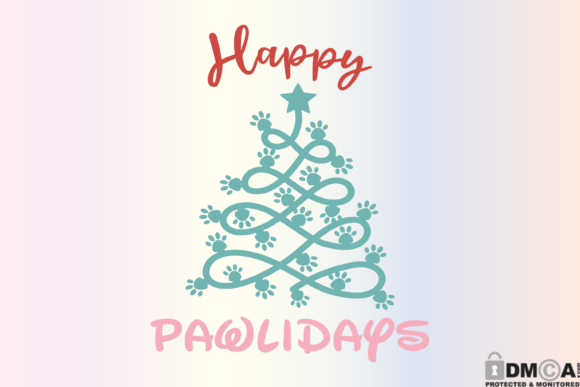
The design strikes a balance between playful sentiment and clean, practical composition. The theme—a festive dog celebrating the holidays—creates an immediate, warm mood. It's niche-specific but widely appealing, perfect for the enormous market of pet lovers looking for personalized holiday gear. As an embroidery file, the layout feels stable. The elements aren't overly crowded, which is a relief. When you're converting an SVG for machine embroidery, overly intricate details or tiny, isolated components can become stitching nightmares, requiring excessive jump stitches or dense fills that distort lighter fabrics.
This design’s visual personality is friendly and bold. The lettering style in "Happy Pawlidays" is typically a key consideration. From an embroidery standpoint, script or overly thin fonts can lose clarity when stitched, especially on textured fabrics like sweatshirts or towels. This design appears to use a chunkier, more open font style, which suggests it will hold up well as satin stitches or a simple fill, retaining readability even at smaller sizes for things like caps or baby items. The main dog graphic is the centerpiece, and its shape is solid and contained. This means it can be embroidered as a clean appliqué design or as a fill stitch area without too many awkward corners that might puck or snag.
Where This Design Excites in Real Projects
Let me walk you through a real scenario. A client orders a custom holiday gift: an embroidered tote bag for a "Dog Mom" friend. They want something unique, festive, and high-quality. The Happy Pawlidays SVG is an ideal candidate. The tote's fabric, often a medium-weight canvas, handles embroidery well. I'd likely use this design as a combination of appliqué for the dog's body (using a festive red or green fabric) and embroidery stitch for the details and text. The result would be a durable, charming product with great visual appeal. The handmade presentation would feel professional and thoughtful, boosting the perceived value and the customer's trust in your work.
Its application range is broad, which is excellent for small business owners diversifying their product lines. Consider these uses:
- Custom Apparel: Embroidered on the front of a cozy sweatshirt or the pocket of a flannel shirt. The holiday theme makes it perfect for limited-run holiday merchandise in your shop.
- Home Goods & Gifts: A simple, clean stitch on a pillow cover or a kitchen towel instantly creates boutique-level holiday decor. It’s highly giftable.
- Personalized Baby & Kids Items: Stitched smaller on a baby blanket or a child’s beanie. The playful dog theme is sweet without being overly cartoonish.
- Embroidered Patches: This design could be stunning as a standalone patch. Patches are hugely popular, and a holiday-themed pet patch has year-round appeal for collectors, but especially during the season.
- Branding for Pet-Centric Businesses: A small business selling natural dog treats could use this on aprons or caps during holiday markets, creating fantastic brand consistency and engagement.
For Etsy sellers and digital product sellers, this SVG also serves as a strong base for printable mockups to showcase your finished embroidery products online. A clean graphic translates well into digital previews, helping customers visualize the final embroidered product.
Practical Points for Embroidery Execution
While the design structure seems favorable, its successful embroidery depends entirely on your preparation. Here’s where a professional’s practical judgment comes in.
Scenarios That Require Extra Care
Not all projects will be as straightforward as that tote bag. You must think critically about the final product.
- Small Hoop Sizes & Tiny Details: If you’re aiming for a tiny version on a cap’s curved front, you need to check the minimum readable size. The small lettering in "Pawlidays" might need simplification or might require a very precise, high-density stitch to remain clear.
- Textured or Stretch Fabrics: Stitching this on a thick, textured sweater or a stretchy knit requires careful stabilizer choice. The fill areas, if the dog is solid, could pull on the fabric if the stitch density is too high.
- Dark Fabric Backgrounds: The design's appeal relies on contrast. On a dark fabric, you’ll need to plan thread colors carefully—perhaps using a bright white or metallic for the text to pop. Always test color contrast on scrap first.
- Products for Frequent Use & Wash: For items like aprons or kitchen towels that undergo regular washing, the embroidery must be secure. Consider using tighter satin stitches for borders and ensuring all jump stitches are trimmed. A design with too many small, isolated elements can become loose over time.
The Designer’s Pre-Stitch Checklist
Before I hooped any fabric for a client project with this file, I would run through this mental list:
- Test on Scrap: Always, always stitch a sample on a scrap of the actual final fabric. This reveals how the fabric texture interacts with the stitch density and shows any thread tension issues.
- Check Small Details: Zoom in digitally on every corner and connection point in the SVG. Are there miniscule gaps or overly sharp angles that might not stitch cleanly? Sometimes a minor digital tweak before exporting to your embroidery machine format saves a lot of headache.
- Evaluate for Light & Dark Backgrounds: I’d create simple black and white mockups to see the pure shape. This helps plan thread color schemes for both light and dark fabrics, ensuring the design’s personality shines on any background.
- Confirm Licensing for Your Use: The product description notes it's a digital file for cutting or printing. As an embroidery designer using it to create finished products for sale, you must confirm the licensing terms. Does it allow commercial use of the embroidered items? Never assume.
- Plan the Stabilizer Strategy: Match your stabilizer to the fabric and the design’s stitch area. A design with moderate fill areas might need a medium-weight cutaway for stability on apparel, while a tearaway might suffice for a non-stretch tote.
The Final Stitch: Impact on Your Craft Business
Choosing a design like the Happy Pawlidays SVG isn't just about a single project. It’s about how that finished product reflects your brand and meets your customer’s needs. When stitched well, this design delivers strong recognition—it’s instantly understood and emotionally connects with pet owners. That connection drives buyer engagement. It makes your handmade product feel personal and professional, not generic.
For creative entrepreneurs, it’s a versatile asset. It can anchor a whole holiday collection—from embroidered sweatshirts to patches to tea towels. That consistency across products strengthens your small shop’s branding. And because the theme is both seasonal and pet-centric, it has a built-in audience, making it easier to market in your Etsy listings or at craft fairs.
In the end, my review as a designer is optimistic. The Happy Pawlidays SVG, Dog Christmas SVG presents a solid, cheerful foundation for real embroidery work. Its practical composition suggests it will stitch cleanly, and its joyful theme offers tremendous commercial potential for holiday products. Your success with it, however, will hinge on those essential, behind-the-scenes steps: testing, planning, and respecting the craft of translating a digital graphic into a beautiful, durable, stitched reality.