A Designer's Look at the 'Fine Ass Mama' Embroidery File
As an embroidery designer, I see a lot of files that are cute, clever, or trendy. But when a design like 'Somebody s Fine Ass Mama' crosses my screen, my first question isn't about its humor—it's about its stitchability. How will this look when it's translated from a digital graphic into thread and fabric? Let's walk through that practical evaluation.
The Immediate Mood and Where It Belongs
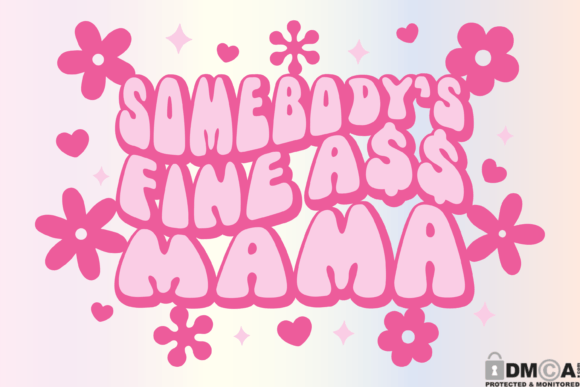
The design's personality is bold and playful, with a cheeky, celebratory vibe. It’s not a subtle, elegant script; it’s a statement. This tells me it naturally belongs on relaxed, personal items. My mind immediately goes to a custom embroidered sweatshirt for a friend, a tote bag for a mom who appreciates a laugh, or perhaps the centerpiece of a funny apron for a boutique kitchen line. The layout, with its clear, blocky lettering, suggests it’s built for visual impact rather than intricate detail, which is a good starting point for an embroidery project.
Real-Life Embroidery Scenarios: Where It Works
Imagine you’re prepping for a craft fair and want a line of humorous, gift-ready items. This design could be the star on a simple cotton pillow cover or a cozy blanket corner. For a small business owner selling personalized gifts, stitching this onto a baby onesie as a fun 'mommy' gift (with the right fabric prep, of course) could be a hit. As an apparel decorator, I’d consider it for the back of a cap or the front of a relaxed-fit tee—places where the message can be large and legible.
For commercial embroidery projects or Etsy listings, this design acts as a strong, recognizable graphic. It could anchor a product line of 'mom life' items. In a printable mockup for a digital product seller, the clean lines would show well, making it a viable design asset for those selling finished, ready-to-stitch files to other makers.
Handling the Translation from Screen to Stitch
The key with any graphic like this is how the digital detail translates into physical stitches. The lettering needs to remain crisp. On a tote bag with a sturdy canvas base, using a satin stitch for the bold letters would give a nice, smooth finish. On a stretchy fabric like a sweatshirt, a fill stitch might be more forgiving, preventing puckering. Always, always test on scrap fabric first. This lets you check stitch density, see if any tiny corners in the design get lost, and choose your thread color contrast.
For dark fabric backgrounds, you’d likely need a lighter thread palette for maximum clarity, and the right stabilizer is non-negotiable to keep the text sharp. On curved surfaces like caps, the design’s relatively straightforward shape should hoop well, provided the overall size fits the available space.
Where to Exercise Caution
This is not a design I would automatically choose for very small hoop sizes. The humor relies on the phrase being readable, and shrinking it too much could muddle the lettering, especially if the embroidery file has any intricate serifs or details. Similarly, on highly textured fabrics or thin, delicate materials, the bold statement might not sit as cleanly. For items destined for frequent washing, like kitchen towels, ensuring the stitch coverage is secure and the thread quality is high will affect longevity and customer trust.
The Impact on Your Product and Business
Using a design with such a specific, funny message affects your finished product's appeal. It creates an instant connection with a certain audience—it’s giftable, memorable, and engaging. For a handmade presentation, it shows you’re offering something personal and contemporary. For brand consistency, if your small shop vibe is playful and irreverent, it fits perfectly.
From a professional standpoint, successfully embroidering this design and presenting it well—on a high-quality garment, with clean stitching—builds buyer confidence. It turns a digital graphic into a valuable, tangible item. For the creative entrepreneur, it’s a design that can fuel a range of products, from embroidered patches to holiday gifts for moms.
Practical Notes Before You Hoop the Design
My final thoughts as a reviewer are these practical reminders. Always check the provided embroidery file for its intended formats and confirm the licensing terms if you plan to sell the finished items commercially. Does it work for both personal and commercial projects? This is crucial for craft business owners.
- Run a test on both light and dark fabric scraps to judge thread color needs.
- Inspect the small details in the file on your software; are there any overly dense areas that might need adjustment?
- Consider creating black and white mockups to see how it reads without color.
- Match the design size to a suitable hoop size for your machine embroidery setup.
- Use proper stabilizer for the fabric you’ve chosen—this is often the difference between a professional result and a homemade look.
'Somebody s Fine Ass Mama,' as a graphic, has clear potential. Its success as an embroidery project, however, hinges on your skill and these practical considerations. By treating it as a real design asset and not just a funny image, you can create embroidered products that are both high-quality and full of personality, exactly what today’s customers and gift-receivers appreciate.